Property for sale in South of France Near Carcassonne:
Charming
house with private courtyard garden with plenty of scope.
The House:
This lovely
terraced village house is located in a quiet area at a walking distance of all amenities.
It is
habitable but in need of modernization.
About 150
sqm
Ground
floor:
Entrance (tiled)
Fitted
kitchen / dining room (tiled)
Sitting
room with fire place and French door into the conservatory (Tiled)
Lounge
(tiled)
Separate toilet
Landry room
Conservatory
(tiled)
2 garages
Small
workshop with large storage area above
1st
floor:
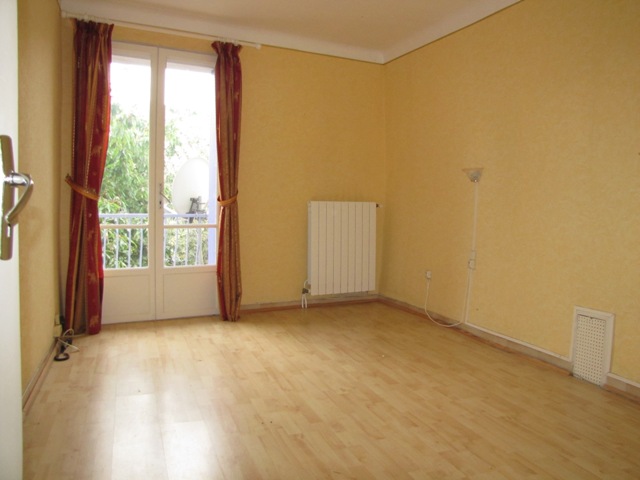
5 bedrooms(can
be easily turned into en-suite)
1 bathroom
with wc
Some
original features have been kept.
Outbuilding
to be renovated (30 sqm over 2 floors). Can be turned into a self contained habitation.
Perfect for guests!
Single
glazed wooden windows
Mains gas
and drains
New gas
boiler and central heating system.
Well in garden
The Garden:
Private
courtyard garden
Enclosed
and not overlooked
Safe for children
and pets
Shady for
hot summer days
Built in
BBQ
The whole
plot is 285 sqm
The Location:
Walking
distance to all shops (Intermarché supermarket, post office, chemist, doctors,
petrol station, dentists, banks, port for canal boats, bar and restaurant,
pizzeria, etc)
On the famous
Canal du Midi
Half way
between Narbonne and Carcassonne
40 km East
of Carcassonne
20 km from
Trebes (canal boat hire)
30-45 min
from sandy beaches
African
reserve in Sigean 45 min http://www.reserveafricainesigean.fr/
Narbonne 35
min
Cathar
chateaux
Minerve
St Chinian
– Easy access
1 ½ hours
from Toulouse and Montpellier
Nearest
airport : Carcassonne
Ryanair
flights from the UK and Ireland (Bournemouth, East Midlands, London Stansted,
Liverpool, Glasgow, Dublin, Cork)
This
property is in a very touristy area.Ideal for a holiday home (low maintenance
garden) or to run a B&B.
The house
stays cool in the summer and is warm in the winter.
More shops
and businesses can be found in the next village of ‘Rieux’:
DIY shop,
vet, bars and restaurants, supermarket.
€135 000. No agent's fee.
For more
details and photos, please contact us here.